

Dispatch across connected networks
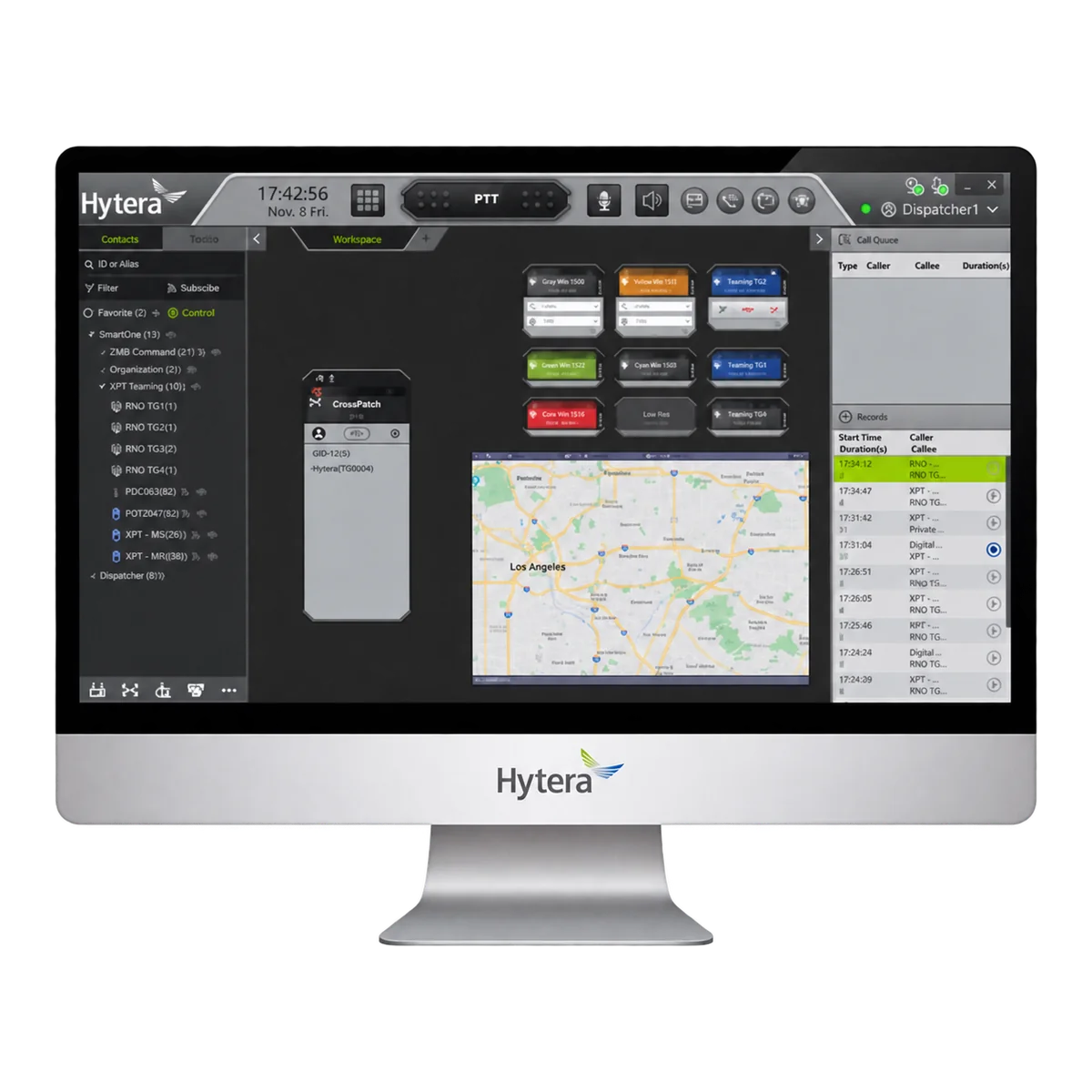
Bring supported radio networks into one dispatch workspace. Hytera SmartOne combines calling, messaging, location and recording so operators can coordinate teams using different communication systems.
Connect compatible TETRA, conventional and trunked DMR, Hytera XPT and analogue systems through the appropriate interfaces or gateways. Add telephony and broadband services where the integration supports them. Broadband integration can use push-to-talk over cellular (PoC) services such as HyTalk. The networks already in service, their software versions and the required services determine the solution.
For transport, utilities, industrial sites and public-safety operations, this gives the control room a common place to contact users and follow activity across the connected systems.
Where SmartOne fits
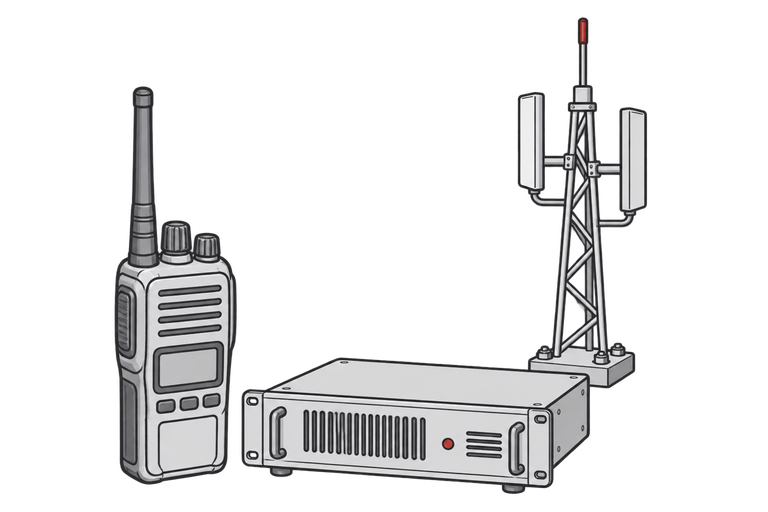
Radio networks
TETRA, DMR, XPT and supported analogue systems
System interfaces or radio gateways
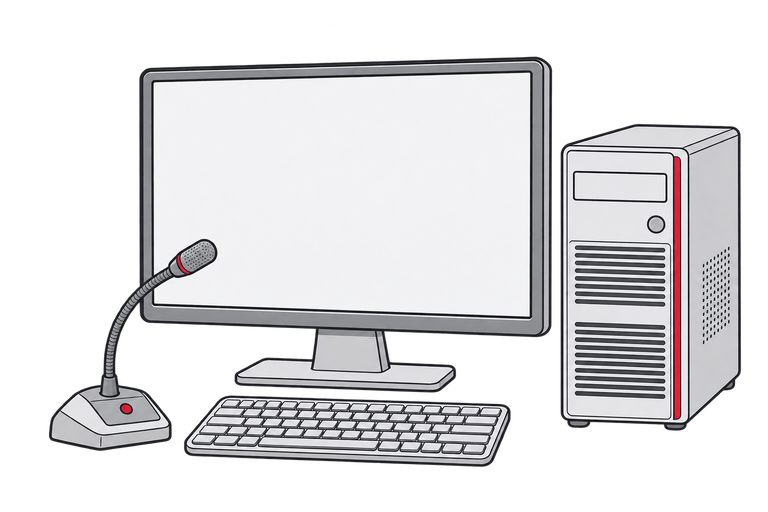
SmartOne
Unified dispatch workspace
Calls, messages, location and recording
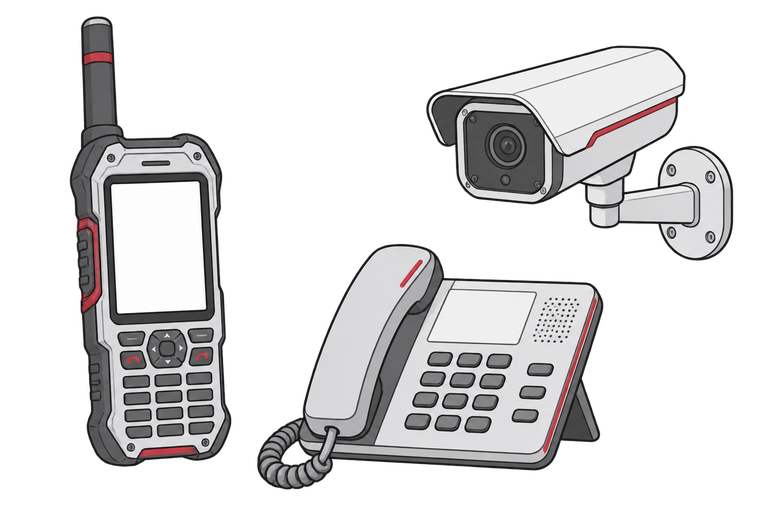
Connected services
PoC and telephony: configured interworking
IP cameras: separate monitoring module
Coordinate calls across systems
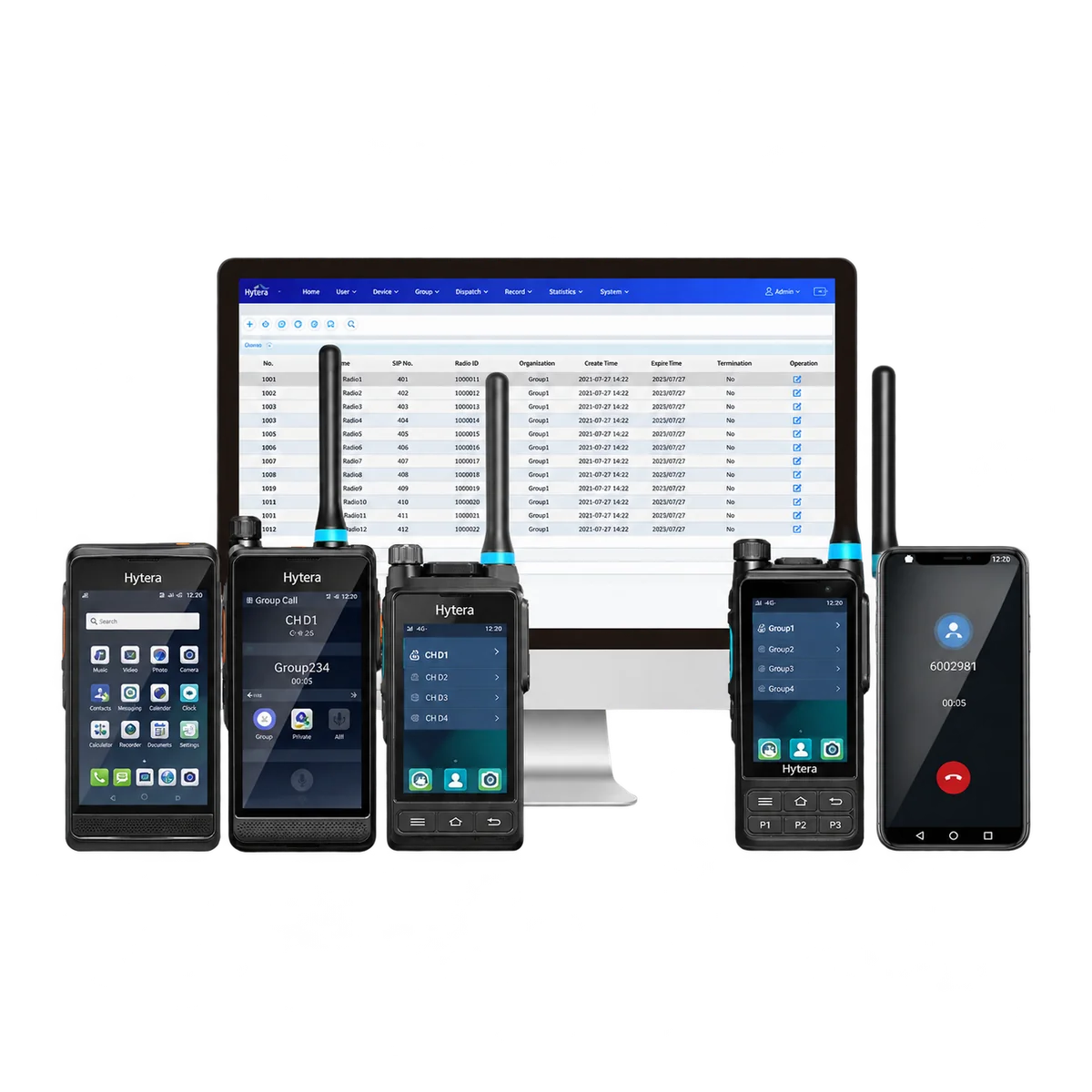
Contact an individual user, speak to a group or bring supported groups together through a configured patch. Operators can coordinate people working on different networks from the same application.
Groups for the task
Group patching and dynamic group assignment help operators organise communications around an incident or shared task. The connected systems determine which grouping functions and call types are available.
Priority and emergency handling
Supported priority, emergency and broadcast calls give operators different ways to reach users. Confirm how alerts, call priorities and operator permissions work across every network in the integration.
Locate and contact teams from the map
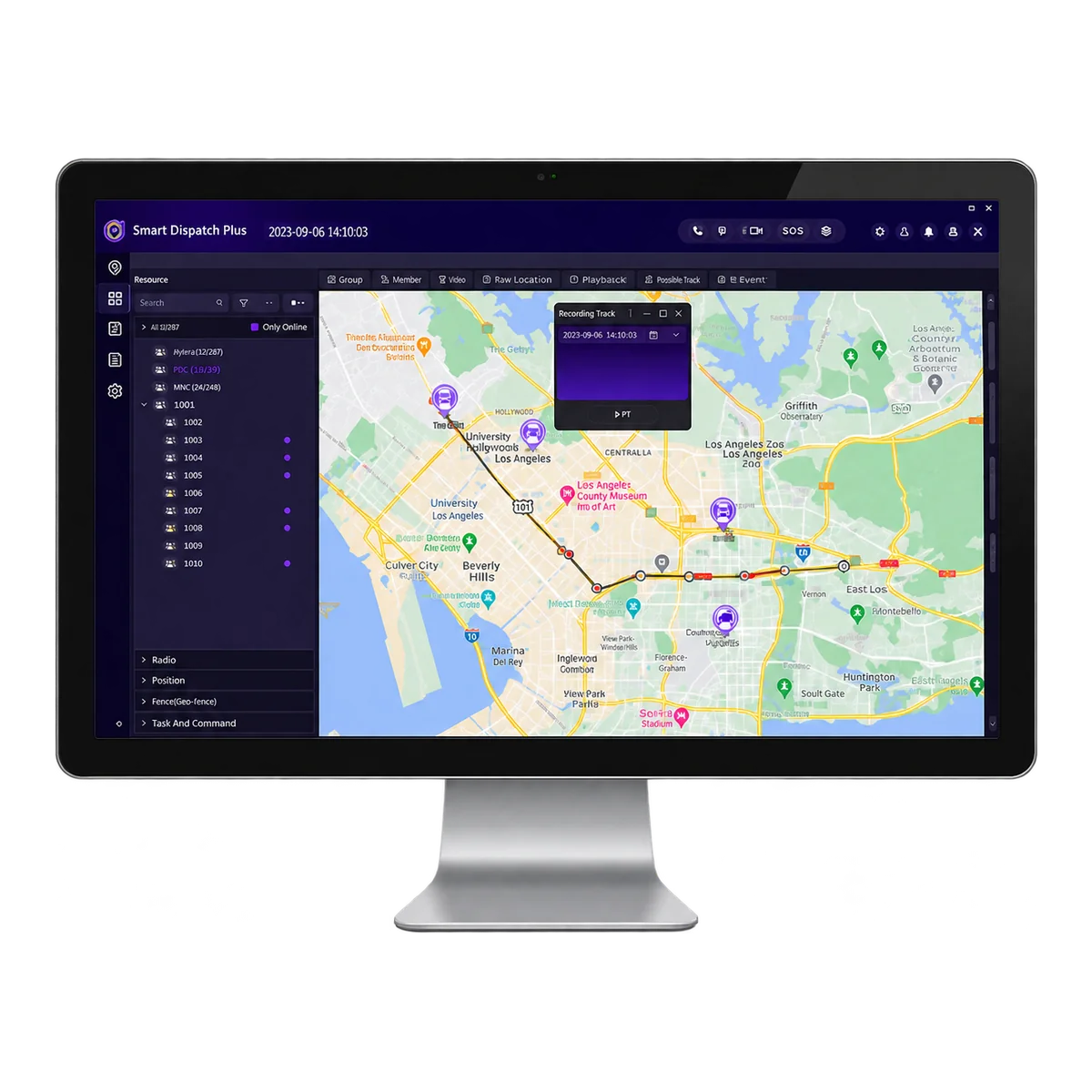
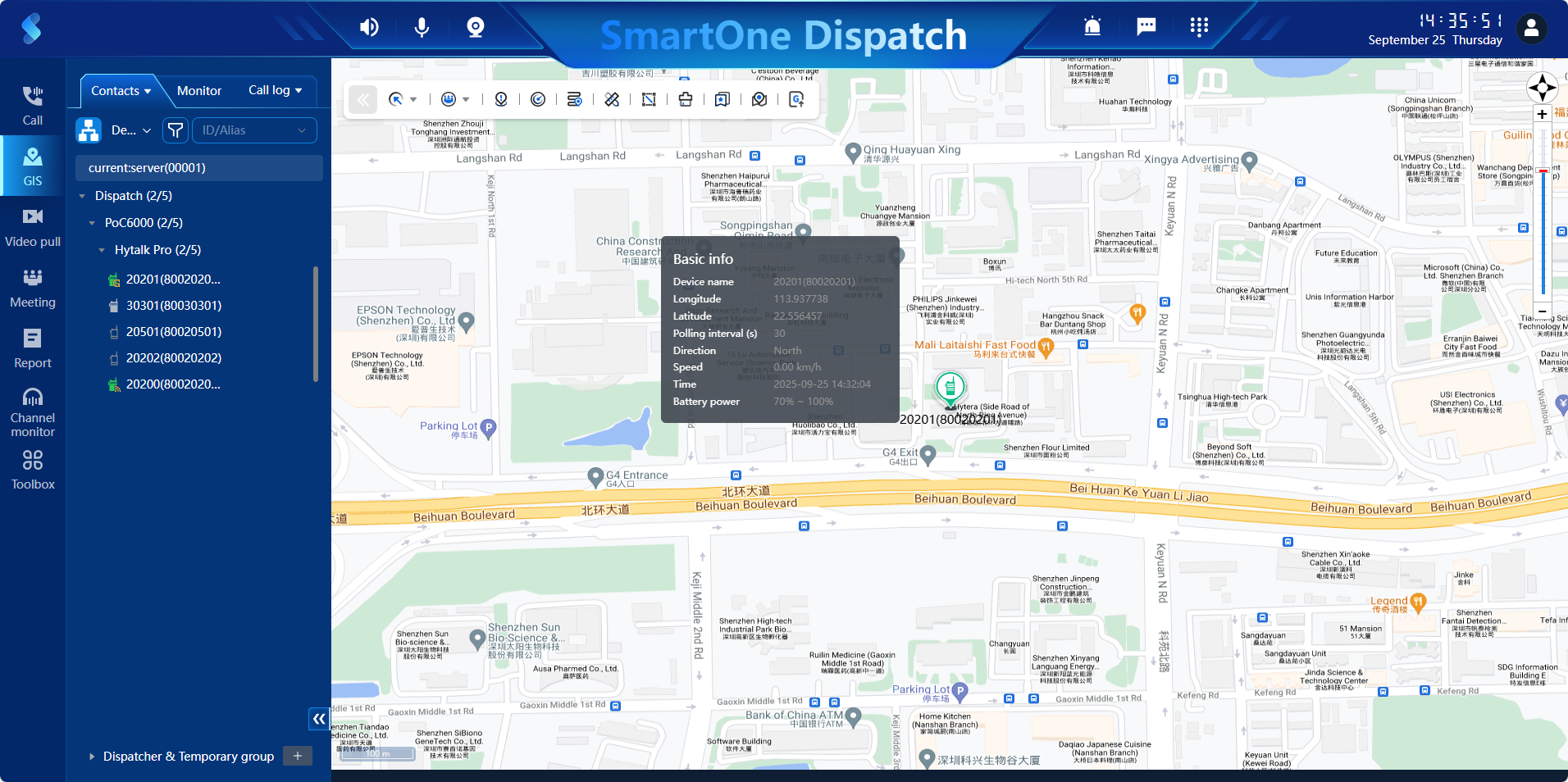
View reported positions, follow routes and contact supported users directly from the map. Location information helps dispatchers identify the team relevant to a task and see how people or vehicles are moving.
Geofencing can alert operators when a tracked device crosses a defined boundary. Points of interest mark locations relevant to the operation. Position updates depend on the terminal, positioning reception and the connected network; update behaviour is agreed for the deployment.
Review communications and add context
Messages and recordings
Use supported text and status messages alongside voice calls. Voice recording and logs support later review of communications. Specify the recording components, access permissions and retention arrangements as part of the solution.
Camera and broadband services
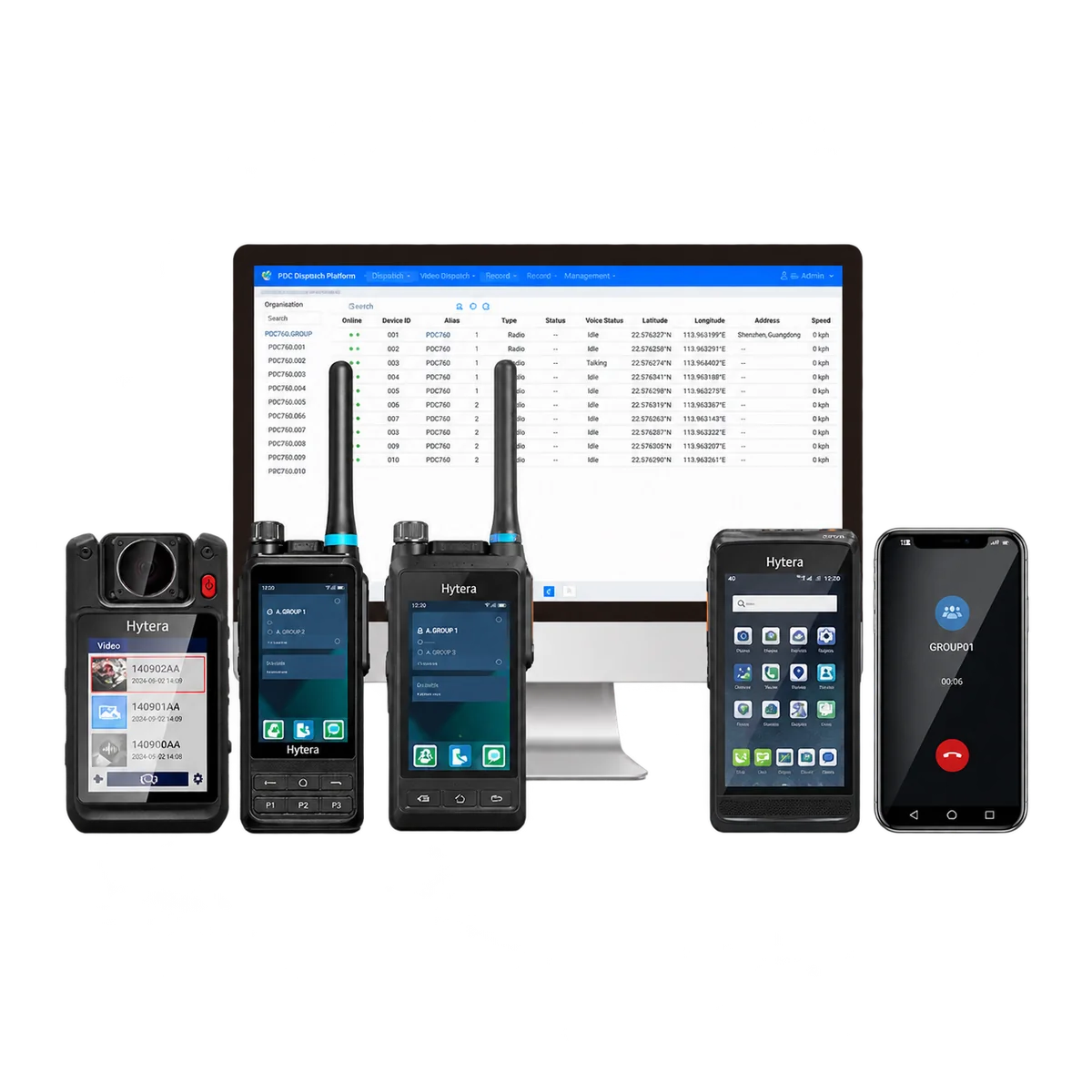
External modules can display compatible IP cameras in the workspace. Video communication requires capable broadband devices and the appropriate platform integration. These services add visual information for the operator. Video capabilities remain specific to the participating devices and networks.
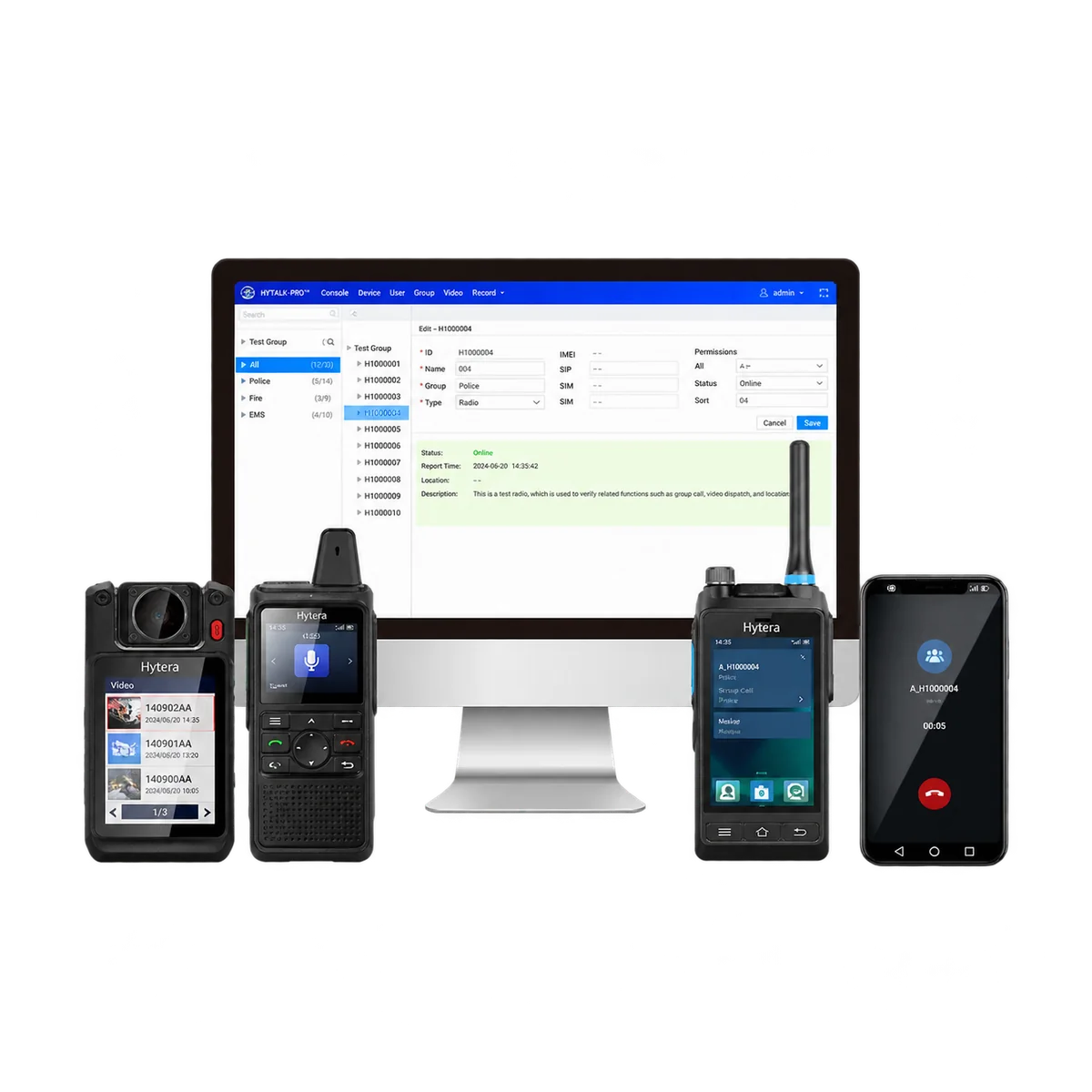
SmartOne can provide dispatch within a HyTalk-based integration. HyTalk supplies the broadband communication environment, while SmartOne brings the configured services into the operator workspace.
Configure the operator workspace
Assign radio groups and subscribers to the operators responsible for them. Customisable work areas and multi-monitor layouts let a dispatch team organise the information each person needs. Browser-based content can be added through the supported extension mechanism.
Deployment around the operation
SmartOne supports standalone and client-server arrangements with multiple workstations. Define operator numbers, connected systems and server resources together. Gateways, interfaces and licences form part of that design.
Security and availability
End-to-end encryption and hot-standby server redundancy are supported in applicable configurations. Confirm encryption support across the complete communication path and specify the required redundant components. Failover behaviour and service availability depend on the deployed system.